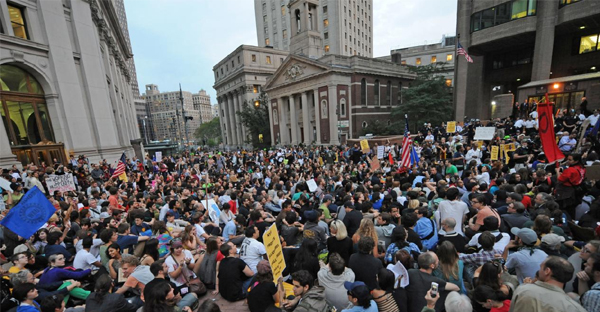
Photo from Here and Now
After 8 long and difficult years, U.S. Troops (most of them, anyways) are coming home from Iraq, and the war in Iraq is now officially over. The events that have lead up to the war, and what has happened since then are numerous, disheartening, and outright sick. From the amount of patriotic browbeating and full-out lying that took place in the lead up to the war, to the arrogance and mismanagement (to put it mildly) of the initial invasion; from the bloodshed and chaos of proceeding years of our occupation, to the relatively quiet, but marginally better (to put it kindly) final years of the occupation. America's departure from Iraq is something that is long-overdue.
My initial reaction as someone who has always opposed this war is to say "good riddance" and try to push it as far into the distance past as possible. However, it is also important that one revisits it's relatively short, but nonetheless eventful history. We must do this in order to pay respect to the dead on all sides, and to show the brutal reality of what war is really like. But we must also do this so that America (for all the good we stand for and for all the wonderful things we've ever done for people around the world) can realize the horrendous mistakes that it made, and try to never repeat them again.
I have decided that the best way to share write this post is to share a number of videos about the from individuals who could as good of a job of telling the story of the Iraq War, if not better, than I could have. I will provide some of my own text, but I want to give credit to those who made these videos, and as well as those who did an outstanding job of reporting on this war when it was taking place(oftentimes, risking their own lives in doing so).
First, there is how we actually got into the war. We all know now about the fact that there were no Weapons of Mass Destruction, almost no link to Al Qaeda, and absolutely no role in the September 11 attacks (as the Bush Administration had claimed). But how many people actually remember the time and energy taken by the Administration (along with Prime Minister Tony Blair of Great Britain) to really sell the war? It was immense, and it lasted for almost the entire year of 2002 and the beginning of 2003 leading up to the war.
The Administration was not alone in helping to push for this war. One new word to enter the American mainstream lexicon as a result of this war was "neoconservative", and they were prevalent through the media and the Bush Administration foreign policy team leading up to the Iraq War. They believed it was America's duty to push for democratic reform throughout the world, using military action if necessary.
The goal of promoting democracy in undemocratic countries is good enough in itself, and I'm sure many of those who were neoconservatives felt as if they had good intentions. For instance, it is a shame that the late Christopher Hitchens (one of my heroes) so staunchly supported the invasion of Iraq, and was still one of the war's strongest supporters long after it was clear that the invasion was a disaster. He originally supported it because he was friends with Iraqi Kurds who were being oppressed and slaughtered by Saddam Hussein. The idea of what such an ambitious goal would look like, and the hard truth of what it really means to invade another country are two different things.
We were supposed to have an independent media that would ask questions about the legitimacy and acumen about what the Bush Administration was trying to do. This isn't to say that members of the media shouldn't have lost all sense of objectivity, and come out staunchy against the war as say, a Democracy Now or The Nation would have. But it seems like liberal outlets such as DN, The Nation, and the like were the only ones in the media who were truly doing their job in questioning the motives of the administration leading up to the war, and have done about as good a job as any media outlet on reporting on the war objectively in the first year or so of the war. The same cannot be said about the mainstream media
While things have gotten a little better since then in regards to bringing truth to power, it wasn't that long ago that "liberal" MSNBC made Phil Donahue have two conservative, pro-war guests on the show for every one liberal, anti-war guest on his short-lived, prime-time show (Donahue was supposed to count as the second liberal, and thus, the debate was equal).
So, the United States went war in Iraq, bombed the hell out of Baghdad through the campaign of Shock and Awe, and within a matter of weeks, Saddam Hussein was thrown from power. The war had just started, and it was already over. At least, that's how it seemed at the time. For a while, it seemed that the anti-war protesters and those damn hippies were wrong, and the neoconservatives and the Bush Administration were right. In the months to come, the world realize just how far away from over this war really was.
What America soon found out was that "liberating" another country not as easy as it sounds, but it helps to listen to those who know the most about combat and military occupation. This is one thing that the Bush Administration did not do. Rather, they relied more on the opinions of those (primarily neoconservatives) who were most loyal to the administration and the Republican Party. This ended up with disastoruos decisions being made that would cost vast numbers of lives, and greatly soil the reputation of the United States around the world. This includes not sending nearly enough troops to Iraq to begin with; sending them with scare amounts of necessary equipment (often times, that was shoddy anyways); breaking international laws through the use of torture; dismantling the Iraqi Army; and basically not having anything resembling a realistic, long-term occupation plan.
Is it possible that America could have succeeded with the occupation aspect of this war, and not just the initial invasion? Is it possible that, today, Iraq could be a truly safe and functioning democracy if different decisions had been made, and the Bush Administration had actually listened to those who knew what they were talking about? Perhaps, but of course, we will never know this for sure.
What started off as a half-assed, invasion and occupation quickly turned into chaos, and eventually turned into civil war. One of the things the Bush Administration, and many of the supporters of the Iraq war did not realize before the invasion was the complexity of the country they were invading. Specifically, they did not consider the different tribal, ethnic and religious conflicts that existed within Iraq , well before Saddam Hussein ever took power (if they even realized such conflicts existed to begin with).
All of these decisions would lead to years of violence and blood shed for both American Soldiers and Iraqi civilians. Baghdad would become the most violent and deadly city in he world. At least one hundred thousand Iraqi lives would be lost, and so many more would be injured and displaced from their homes. Nearly 4,500 American soldiers would parish, and many thousands more would be seriously injured. This is not what so many American soldiers asked for, but it is what they got.
In more recent years, the situation on the ground in Iraq has ended up getting better, relatively speaking of course. The arrogant and incompetent Donald Rumsfeld was replaced with Robert Gates as the Secretary of Defense, American commanders in Iraq started reaching out to different sects within Iraq to try and minimize the violence that was taking place, and more of the country were given over to Iraqi authorities. In addition, violence and casualty levels on both sides have decreased, and deadlines for withdraw (which the Bush Administration had so stubbornly fought against for the first few years of the war) were finally being put into place. In addition to changes in leadership and changes in policies, these successes must be given immense credit to our American soldiers, as well as Iraqi civilians, who have risked their lives to make Iraq a much more stable nation for the years to come.
This is not to say Iraq has turned out to be a successful, Jeffersonian democracy, or even safe and stable nation. And it probably won't be one for many years, if ever. For instance, Baghdad is still ranked as the most dangerous major city in the world, as it has been since the war started. Gunfire, Improvised Explosive Devices (IEDs), and suicide bombs are still a daily reality in the country of Iraq. And despite the improvements that have been made, many experts are questioning whether Iraqi security forces will be able to keep the country as stable as it is.
Then there are the costs of the Iraq War: not just in money and resources, but in lives and limbs. There are those who would argue that all of the bloodshed and sacrifices that have gone into this war will be worth it in the years to come. While I do wish that the Iraqi people will continue to progress and make successful strides in the stability of their country, I cannot say at this time that the war was worth it, nor am I sure I will ever be able to.
So, to recap in a more lighthearted, but still thought-provoking manner:
| The Daily Show With Jon Stewart | Mon - Thurs 11p / 10c | |||
| Exclusive - The Bush Years - The Iraq War | ||||
| ||||
May those that have perished in the war (whether American, Iraqi, or elsewhere) Rest in Peace.

Photo from The Public Record

May we never forget the lessons this unfortunate conflict has taught us, so that we can never repeat them again.

Photo from Impeach For Peace